
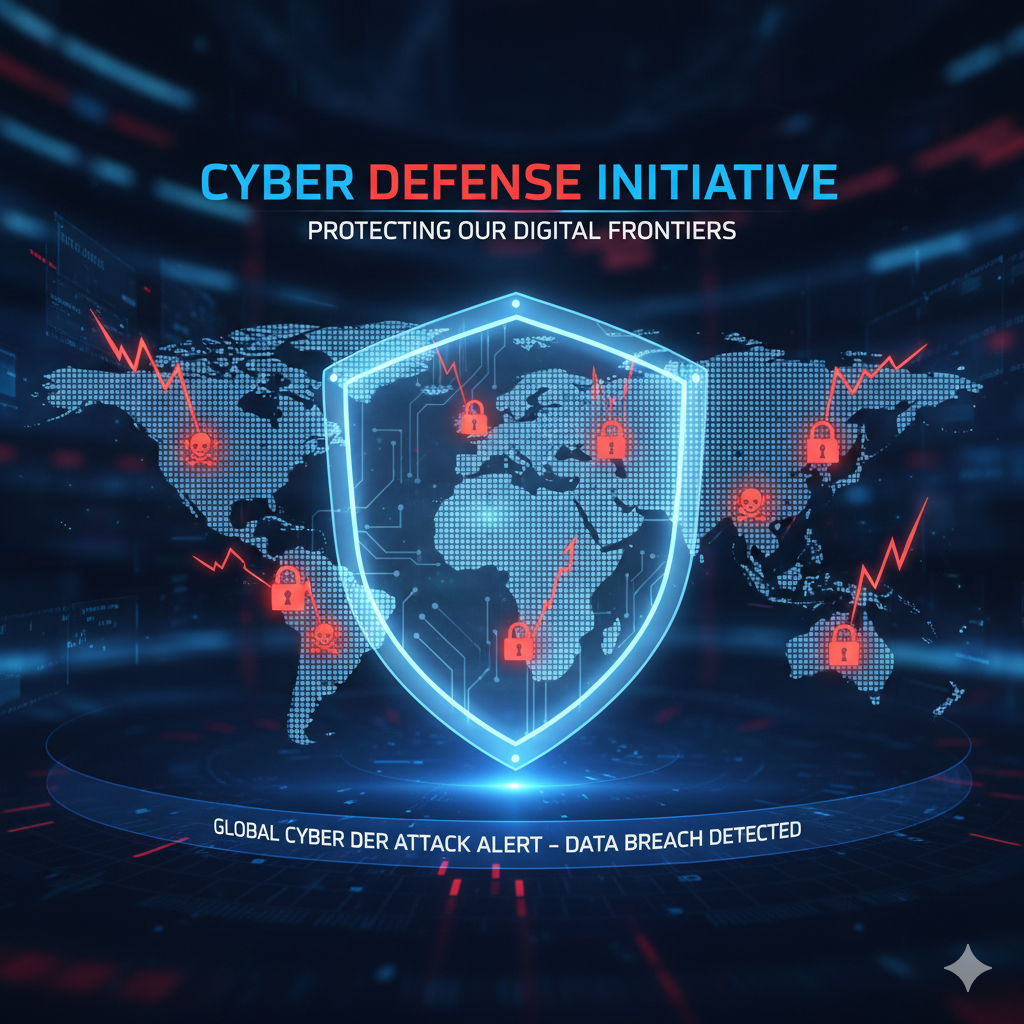
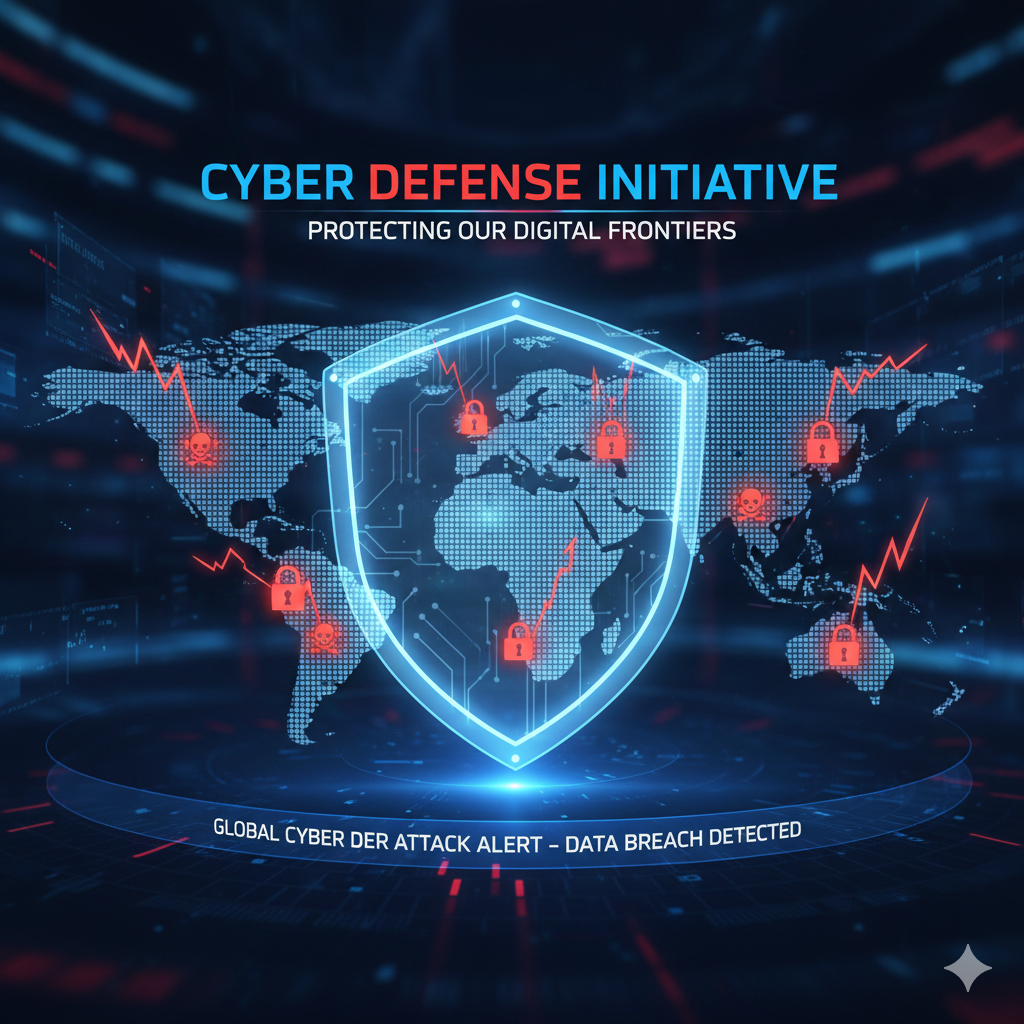
Cybersecurity has entered a new era in 2025. With more people working online, storing data on cloud systems, and using AI-powered services, cyber attacks have become more advanced and more frequent. This shift has made online safety a daily necessity, not just for businesses but for every internet user.
Around the world, ransomware attacks are increasing at record speed. Hackers are targeting hospitals, schools, financial institutions, and even small online shops. These attacks often lock important files and demand payment in digital currency. Many organizations struggle to recover from the damage.
Another major threat in 2025 is identity theft. Cybercriminals are using advanced tools to steal personal information, banking details, and passwords. Social media accounts are being cloned to trick people into sharing sensitive data. This trend has made digital awareness more important than ever.
Governments in Europe, Asia, and the Middle East are upgrading their national cyber defense systems. Companies are investing in stronger firewalls, zero-trust security models, and AI monitoring tools. Yet experts agree that the first line of defense is still the user.
Simple steps such as creating strong passwords, enabling two-factor authentication, avoiding unknown links, and updating devices can prevent most attacks. Cybersecurity education is now being taught in schools, universities, and companies to prepare people for a digital-first world.
As global dependence on technology increases, understanding cyber threats is becoming essential. Staying informed is no longer optional. Online safety is now part of everyday life.