
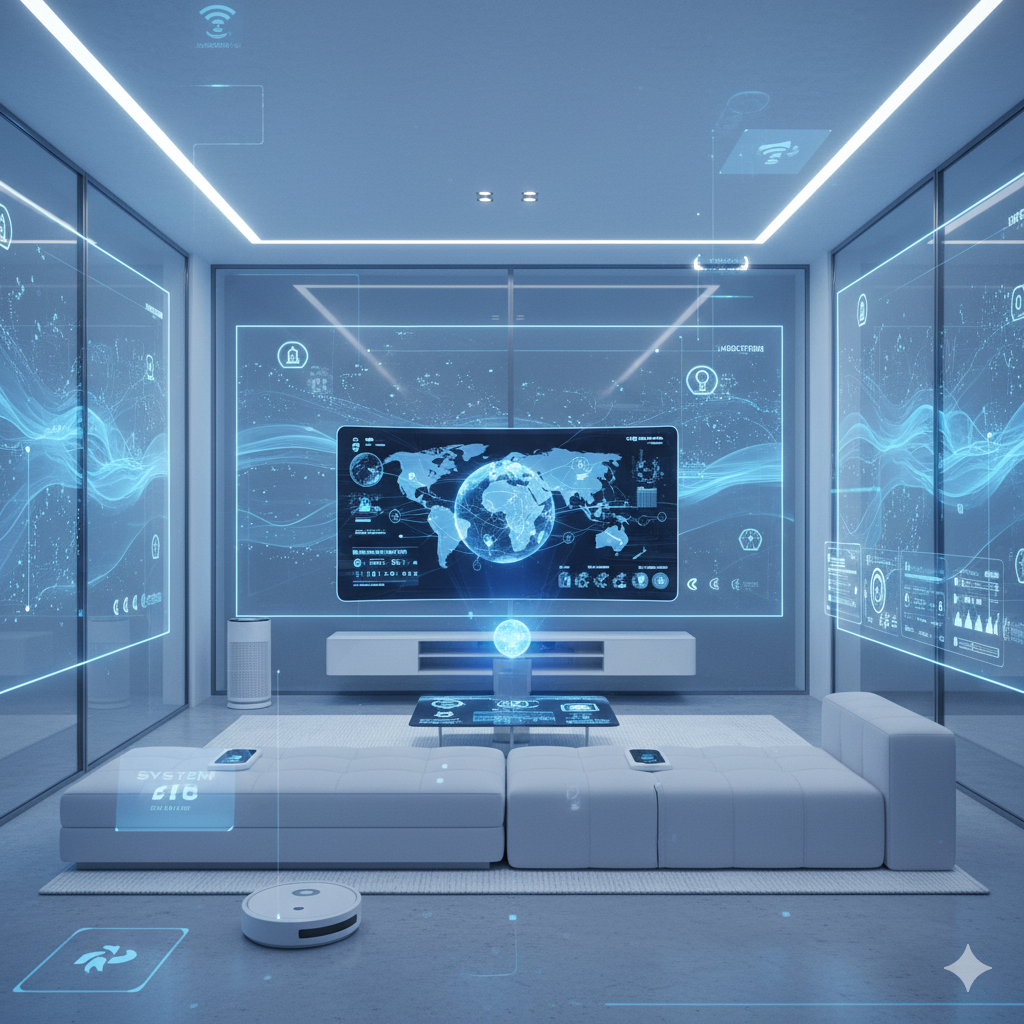
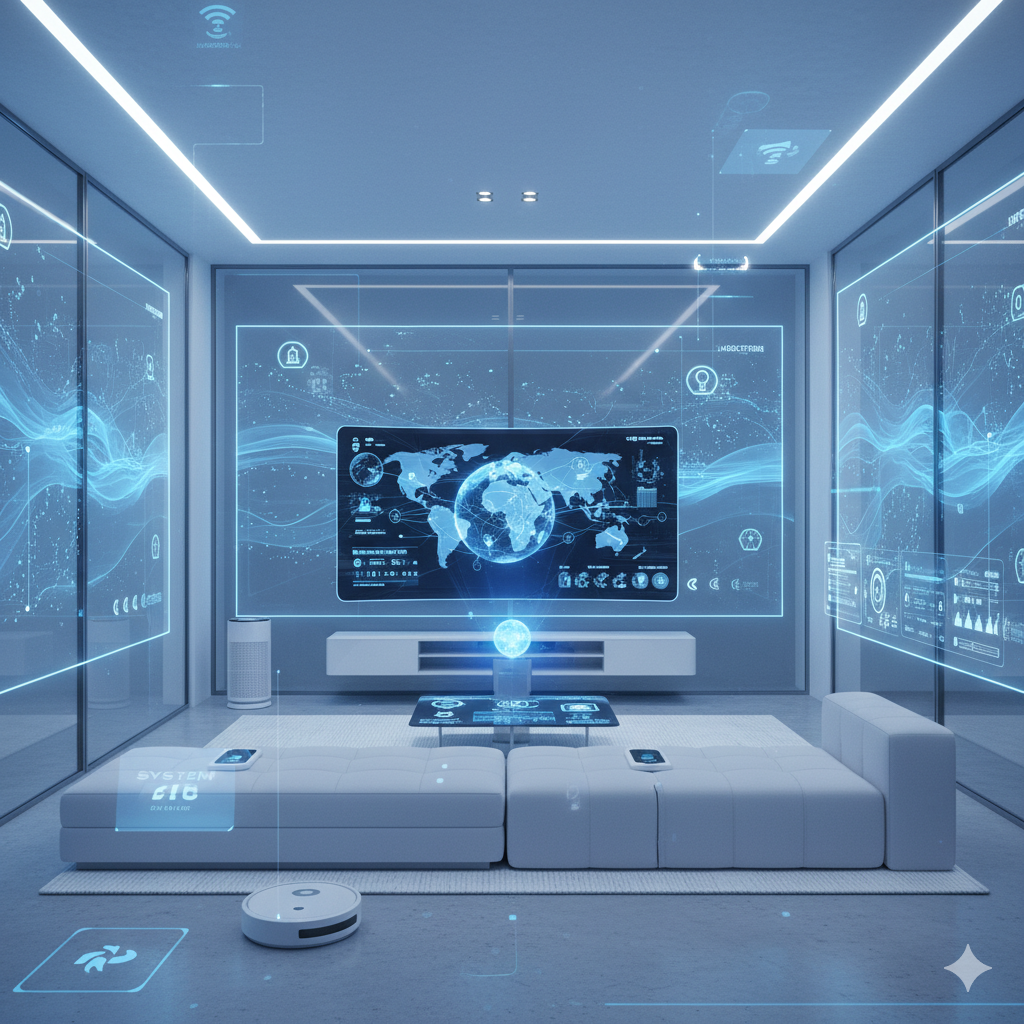
Smart home technology has entered a new level in 2025. What was once considered a luxury is now becoming a standard part of daily life for families across the world. From AI-powered assistants to automated lighting and advanced security systems, smart homes are transforming how people manage their homes and their routines.
The biggest change in 2025 is the growth of IoT devices, which allow everyday items to connect to the internet. Doors, lights, thermostats, water systems, cameras, and even kitchen appliances can now communicate with each other and follow user commands. This automation saves time, reduces stress, and makes homes far more efficient.
Energy-saving technology is another major advantage. Smart thermostats can adjust temperatures automatically, smart bulbs last longer, and intelligent plugs cut off power when devices are not in use. These features reduce electricity bills and support global sustainability goals.
Security has also improved. Smart cameras, motion sensors, and AI-based alerts help protect homes from threats. Many families now monitor their homes directly from their phones, even when they are traveling.
The comfort factor is rising as well. Voice assistants can turn lights on, play recitation or music, read news headlines, prepare reminders, and help manage daily tasks. This convenience is especially useful for busy families and remote workers who want a smoother routine.
Experts believe that smart homes will continue to expand in the next decade. As technology becomes more affordable, more households are expected to adopt these systems. The shift is clear: digital living is becoming the new normal.